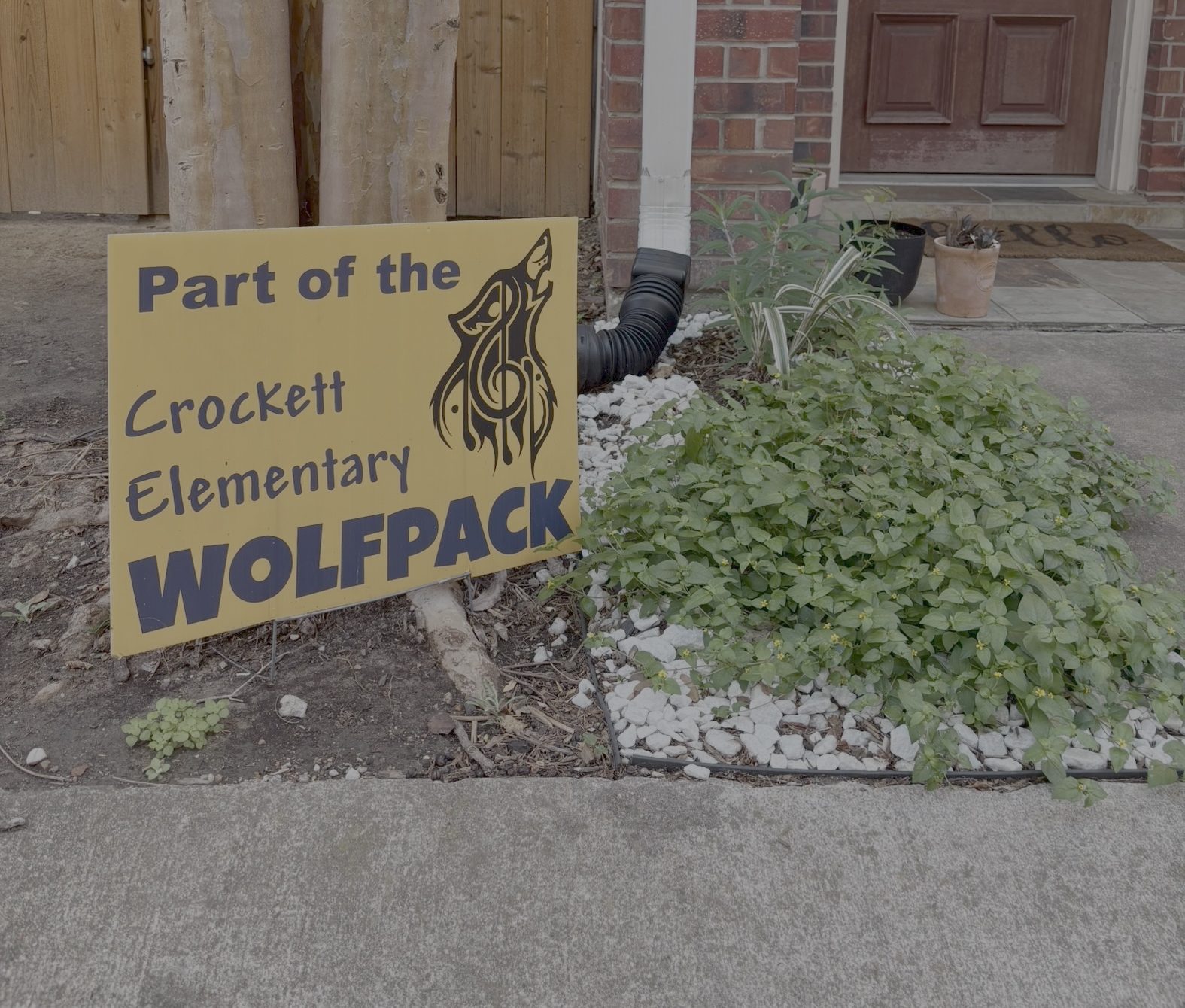
Disclaimer: Neil and I recognize that we have a certain level of privilege when it comes to how we educate our son. Peter does not have a learning, social or mental disability and he does not require an IEP. We also have the financial resources to supplement in academic or social areas our school may be lacking in. We know our decisions may not be feasible (or the right decision) for everyone to make.
If you know me (Haley), you know I was homeschooled for most of my life. Naturally, when I had a son of my own, I received many questions about how I would be schooling him. Would I homeschool? My answer has always been no. Not because I didn’t value my homeschool experiences, but because my husband and I have become impassioned about the privilege of a public education. Many in our lives have been shocked by this decision. That we didn’t “at least” put our son in a private school. Unlike millions of Americans who cannot afford a private education, we can. But we never even considered it. And this is why:
Public school is community.
As Christians, we believe God calls us to love our community. And while private and home-schooling options provide their own sense of community, it is usually not a geographic one nor very diverse. Our son goes to our local, zoned public school with other kids in our neighborhood, with kids that look like him and kids who don’t. This gives us a unique ability to see the needs of our community and respond to them when possible. This also gives our son priceless experiences discovering different cultures, beliefs and backgrounds.
Public school needs advocates.
Look, we know public schools aren’t perfect. There are many changes that need to happen to give kids the education they deserve. Heck, our school district is currently embroiled in scandal. We’ve personally written letters, protested, and voted in local elections to try to invoke change. But we also believe it is our duty to be a part of the solution in a personal way instead of fleeing from the problem. How can we say we care about our community if we won’t even put our son in the system?
Additionally, we believe it’s our duty to help educate the children in our city for FREE. Education is how we lift people up. How we create functioning societies. How we thrive as a community. And we believe if it’s good enough for “those people” it’s good enough for our son.
This passion also stems from our Christian faith, which compels us to advocate for those who are downtrodden, impoverished, and oppressed. Our local school is a Title I school where a majority of students are low-income and the school receives federal money to address the needs that arise because of this statistic. Where others may see that label as a sign of distress, we see it as an opportunity to love our community well.
Public schools do more than you think.
There are horror stories out there about public schools. And I know many families who do not want to subject their kids to environments over which they have little control. But we live in a world that is unsafe for everyone. And if indoctrination is a fear, that can happen anywhere. However, public schools do more than just teach and test. They provide invaluable services like lunch programs and special education services. They provide free intervention programming and can even provide clothing and supplies to kids in need. There are kids in my son’s school who depend on the school for most of their weekly meals. And it’s beautiful that the school can serve them in this way. Alternatively, private schools do not have to provide special needs education or support. They don’t have to provide services for those with learning differences. And they certainly don’t have to provide supplemental services for those who are struggling with poverty.
Public school can be as good as a private school.
I’ll be frank. The main thing separating public and private schools (other than religious affiliation) is money. Money is the solution to most of the woes of public education. Just google any Texas school district and you’ll quickly see that all of them are struggling with huge budget deficits. Money enables the hiring of better teachers, smaller class sizes, diverse experiences, access, etc. There’s more nuance to how we successfully fund schools, but the fact remains: money matters.
But just because a school is lacking in money, doesn’t mean kids are doomed. Study after study shows the greatest determining factor of success in school is parental involvement. If you are involved in your kid’s studies, then they will be set up for success. But every time a student is removed from the public education system, it takes more money away from that system. And every time a bill is passed reducing property taxes or funneling money into school vouchers it impacts schools. As a society we are holding a huge solution to the challenges of public education right in our pocketbooks. Until that changes, Neil and I choose to invest in our school the traditional way: by sending our son to school every day and supporting PTO movie nights, bake sales, and more.
Public school needs people like us.
I write this at a time when public schools, especially in the state of Texas, are the focus of a lot of news articles. People across the political spectrum are fighting to craft public education in their own image. Regardless of who “wins”, the dust will settle and hundreds of thousands of children in our state will be left to pick up the pieces. We know many people who have already left the system or are planning to leave. That is their right. But we choose to stay. Even when it’s hard. Even when the system doesn’t change in the way we want it. We stay because if everyone with means, passion and vision leave, it’s not just a “system” that is failed, it’s kids. Kids that live in our neighborhood – and in yours. And they deserve more than a system abandoned by those who could have made a difference. We stay because hope isn’t just a feeling—it’s a choice. A choice to stand, to fight, and to build something better, not just for our own children, but for every child who walks through those school doors.
 #Robinfuns